The Topography of Beowulf
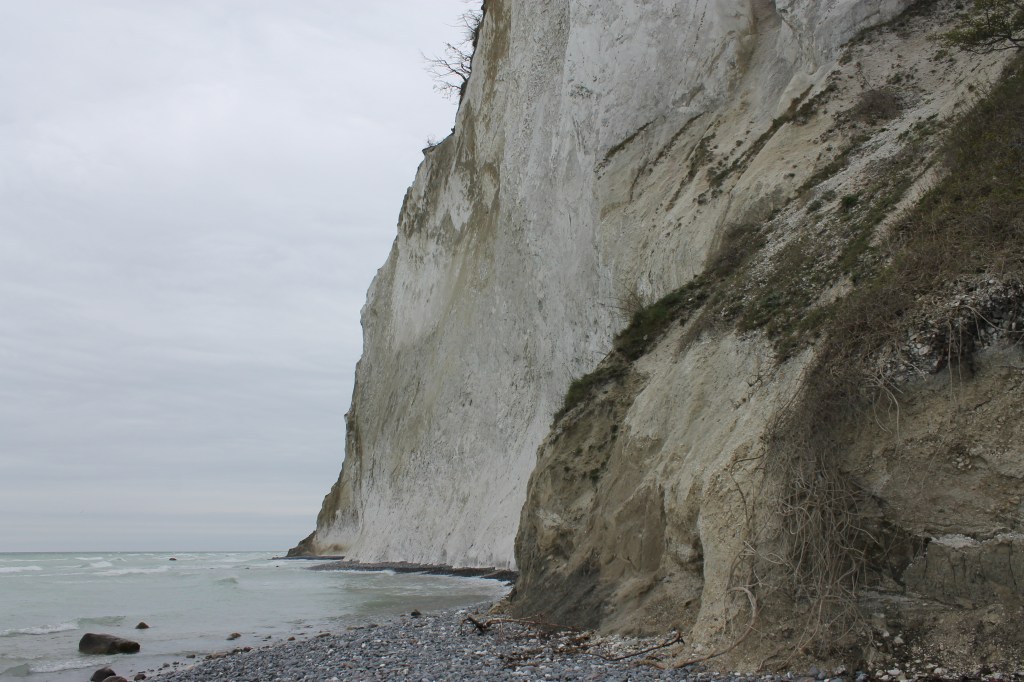
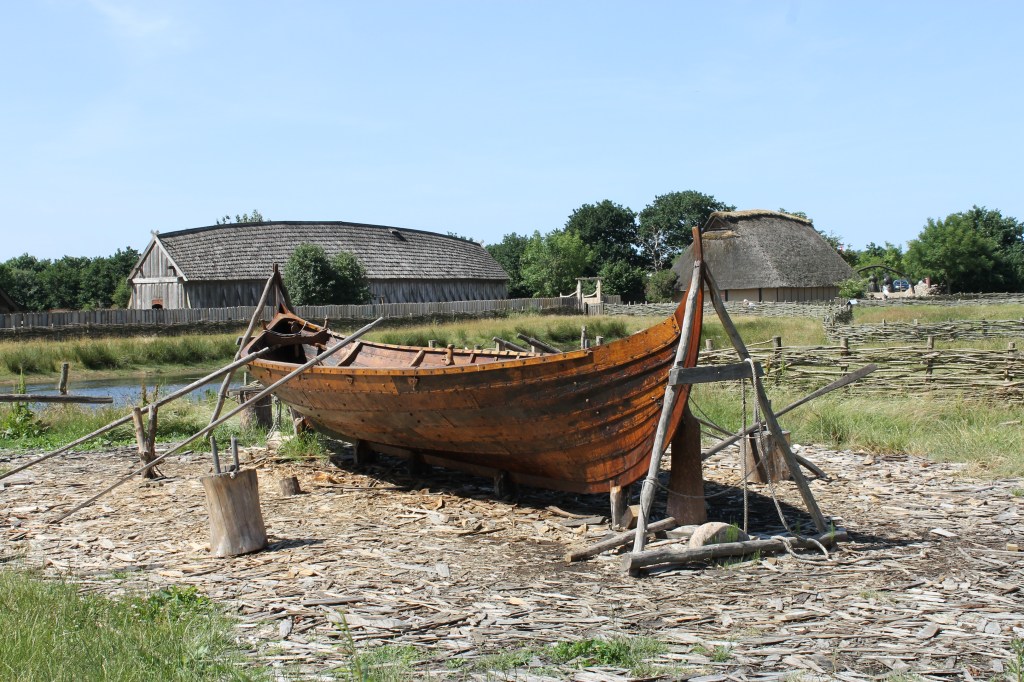
The kennings in Beowulf that refer to the sea (the salt sea, gannet’s bath, swan road, whale road, sea street) are references to specific locations and an understanding of the meaning of these allows us to recreate the landscape of Beowulf.
Beowulf and Heorot gives the route to, and the true location of Heorot, the great hall of Hrothgar, ravaged by Grendel and saved by Beowulf in the old English epic poem.
Beowulf’s Barrow gives a possible location for the burial place of Beowulf.
The whale road locates the area of sea beyond which Scyld Scefing was exacting tribute.
The identification of these locations need not support the view that Beowulf was an historical character. I believe that the poem can be likened to a Bernard Cornwell novel with fictional characters and fictional events in a well researched framework of historical events and accurate topographical settings.
For the extent of the Danelaw, the impact of Climate Change on the Iron Age or how WW2 affected rural North Wiltshire please visit https://before1066.com
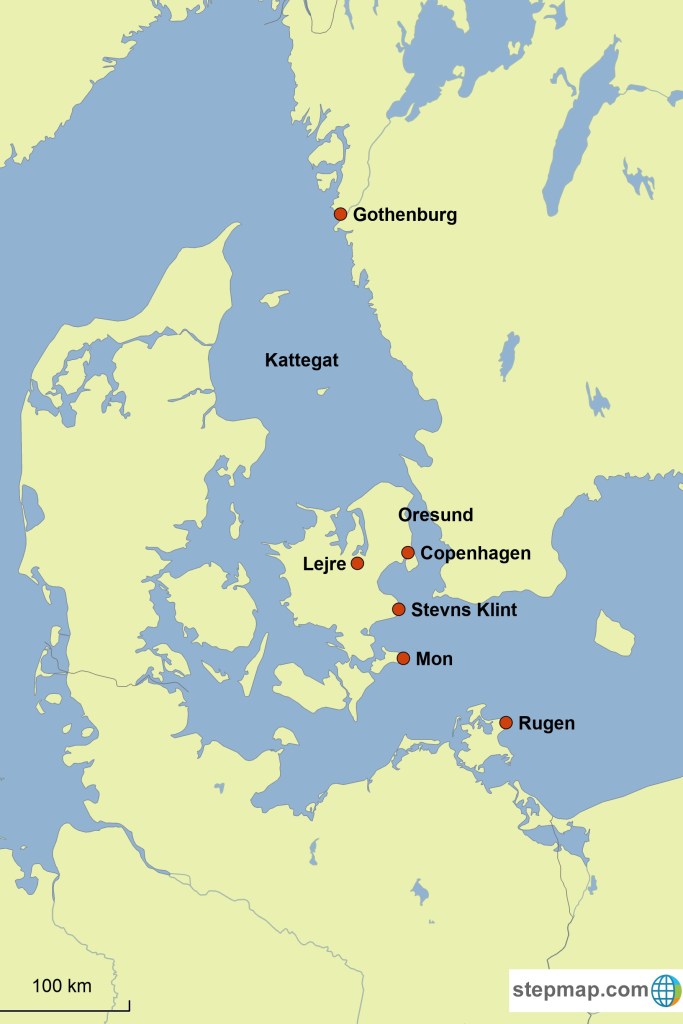
 The Road to Heorot